Key points at a glance
- Portals are a shop window, not an obligation. Every booking you move to your own website saves commission and gives you direct contact with the guest.
- Narrow parity clauses are void by law in Austria; in Germany the Federal Court of Justice (BGH) ruled them anticompetitive for Booking.com, and the Digital Markets Act bans them for Booking.com across the EU. Your website may be cheaper.
- A booking engine with live availability, clear total prices and few steps is the foundation. An enquiry form is only enough for very small properties.
- A visible direct perk such as breakfast, late check-out or more flexible cancellation often convinces more than a few euros off.
- Free booking links on Google and a well-kept list of repeat guests bring bookings without commission.
This post is general information and does not replace legal or tax advice. Rules change and some differ between federal states: check the details with your chamber of commerce (WKO) or IHK, the competent authority or your tax adviser.
What booking portals really cost
The commission shows up on the invoice, but the real cost is higher. Depending on the contract, country and visibility programme, a noticeable share of every room rate goes to the portal. How the Booking.com commission with Genius, Preferred and Payments adds up and how to lower it is covered in a separate guide. On top of that, portal bookings often give you only limited contact with the guest: the email address is frequently a relay, there is no consent for your newsletter, and for the next holiday the guest searches the portal again instead of coming to you. The platform gets to know the guest, not your property.
That does not mean you should leave the portals. For international guests, last-minute bookers and the off-season they are often essential. The goal is a healthy mix: new guests may well arrive through the portal, but the second and third booking should land directly with you. Once a year, work out how much you pay per booking on each channel.
| Channel | Cost per booking | Guest data | Typical role |
|---|---|---|---|
| Booking portal (Booking.com, Expedia …) | Commission as per contract | Limited | Reach, first booking, foreign markets |
| Own website with booking engine | System fee, no commission to the portal | Complete, with consent | Direct booking, repeat guests |
| Free booking link on Google | No click costs | Complete (booking on your site) | Guests searching for your property |
| Google Hotel Ads | Bid per click or another bidding model | Complete | Visibility next to the portals |
| Phone and email | Staff time | Complete | Groups, repeat guests, special requests |
Parity clauses: what you may do in Austria and Germany
For a long time portals demanded that hotels must not be cheaper on their own website than on the platform. These are called parity or best price clauses. The “wide” version forbids better prices on every channel, the “narrow” one only on your own website. Both countries have since settled the matter in favour of hotels.
| Austria | Germany | |
|---|---|---|
| Legal basis | § 7 Preisauszeichnungsgesetz (Price Labelling Act) and UWG Annex no. 32 (unfair competition law) | Competition law: BGH decision of 18 May 2021 (KVR 54/20) on Booking.com |
| What applies | Accommodation providers set their prices freely, platform best price clauses are absolutely void | Narrow best price clauses of Booking.com are anticompetitive |
| Confirmed by | Constitutional Court (VfGH), 2017 | Since 14 November 2024 also Art. 5(3) Digital Markets Act for Booking.com |
| What it means for you | Your website may be cheaper and offer better terms | Your website may be cheaper; check the contract with other portals |
The booking engine on your own website
Guests are used to booking on the portals in a few clicks. If they first have to fill in a form on your website and wait for an answer, many go back to the portal. A booking engine shows available rooms live, calculates the price and confirms the booking immediately. Connected to a channel manager, it syncs availability and rates with the portals automatically, so no room is sold twice.
Set up room categories properly
Each category with real photos, size in square metres, beds, amenities and view. Using the same names as on the portals makes comparison easier.
Define prices and rates
One flexible rate and perhaps a cheaper non-refundable rate. Total price including VAT, with a note on local tourist tax or bed tax and breakfast.
Connect to a channel manager or hotel software
So that availability and prices match everywhere and bookings land in your reservation calendar automatically.
Make the booking button visible everywhere
On every page, fixed at the bottom of the screen on phones, with details pre-filled when guests come from a room page.
Test booking on a phone
Book once yourself, including payment, confirmation email and cancellation. Every unnecessary step costs bookings.
When choosing a system, look at fees, payment methods, languages and accessibility: a booking flow that concludes a contract can fall under the accessibility rules, see accessibility in Austria and in Germany. How to structure the room rates themselves is explained in the guide to room pricing.
Best price guarantee and perks for direct bookers
Guests compare. Anyone who sees the same price on the portal and on your website usually books where they already have an account. So you need a reason to book direct, and it has to be visible on the website straight away, not in the third booking step. A best price guarantee is a good start, but only if it is true: only advertise it if the price on your website really is never higher than on the portals, otherwise the advertising is misleading.
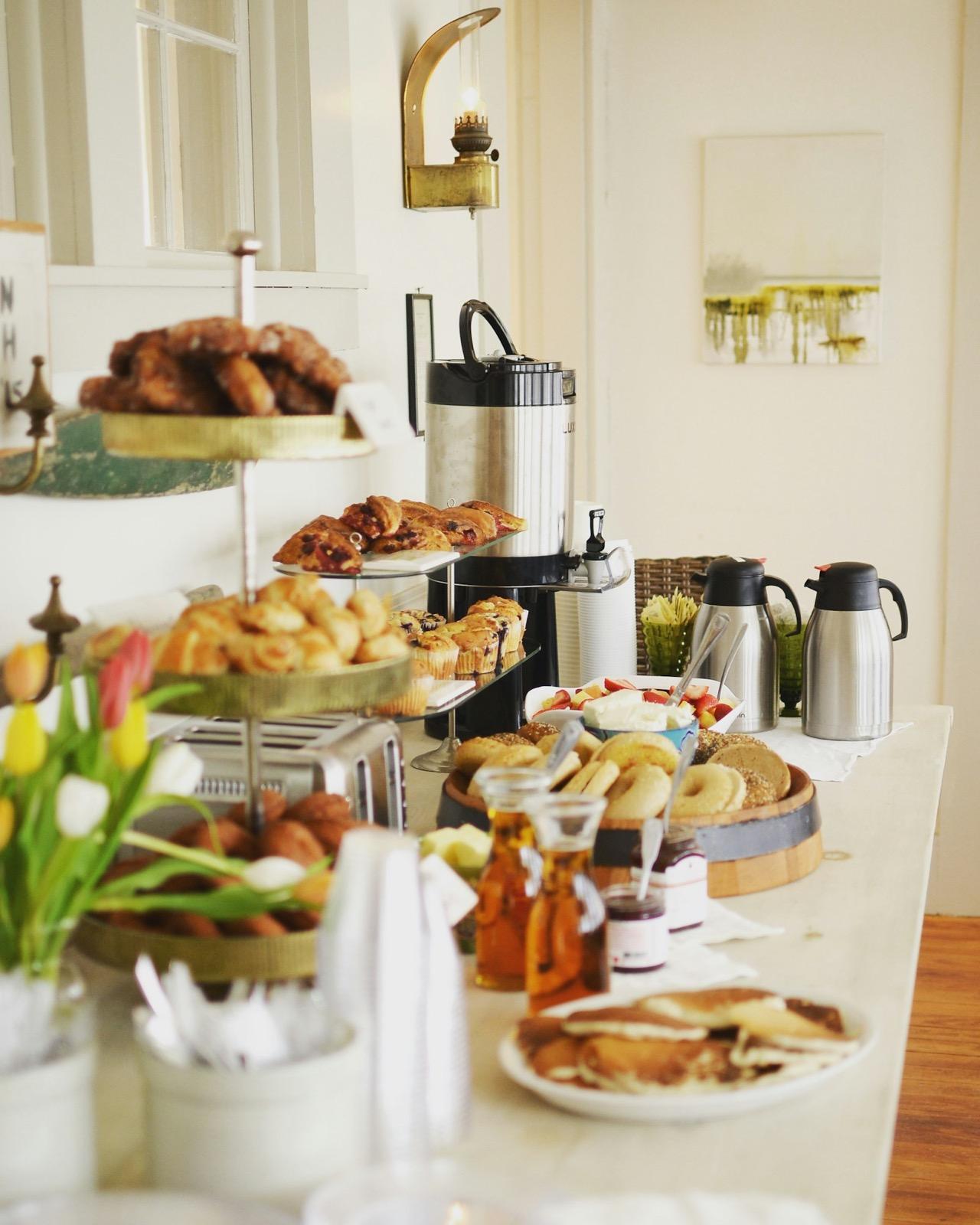
- Breakfast included or a welcome drink for direct bookings.
- Late check-out or early check-in, subject to availability.
- More flexible cancellation terms than on the portal.
- Free parking, rental bikes or a regional guest card.
- Upgrade subject to availability for repeat guests.
- Personal contact: sort out special requests with you directly instead of through a portal inbox.
How to get it right
- Name the direct perk prominently next to the booking button
- Show total prices including taxes and levies
- Only advertise a best price if it really applies
- Have reception and phone staff mention the direct perk
Better not
- Add fees only in the last step
- Be more expensive on your website than on the portal
- Push portal guests to cancel at check-in
- Hide direct perks in the small print
Google: free booking links and Hotel Ads
Anyone searching for your hotel on Google sees a price overview with offers from the portals in the hotel section. Your own website can appear there too. Since 2021 Google has shown free booking links: you pay nothing for clicks on them, and the order does not depend on bids. The requirement is that rates and availability are sent via Google Hotel Center. In practice your booking engine or channel manager usually handles this as a Google partner.
Maintain your Business Profile
Hotel category, photos, amenities, check-in times and a link to your website. How to do it is covered in the guide to the Google Business Profile.
Ask your provider
Ask your booking engine or channel manager provider whether they send rates to Google and support free booking links.
Check the prices
Check in Google Search whether your website price is shown correctly and matches the booking engine.
Test Hotel Ads
If you want more visibility, you can also run paid hotel ads and check over a short test period whether they pay off.
Paid Hotel Ads are especially worthwhile when portals rank above your website for searches of your own name. More on advertising on Google is in the guide to Google Ads for restaurants and hotels.
Bring repeat guests back directly
The cheapest booking comes from a guest who has stayed before. Guests who left happy are glad to book again if you remind them at the right time. For that you need your own guest list with email addresses and consent to marketing, which you ask for honestly with direct bookings or at check-in.
Keeping repeat guests
- Ask for newsletter consent voluntarily at check-in or in the booking confirmation
- After departure, send a short thank-you email asking for a review
- One to two weeks before the season, send an invitation with a direct perk
- Offer repeat guests their own perk, such as an upgrade or early-bird rate
- Note preferences: favourite room, allergies, reason for the trip
- Sell vouchers for stays on your website
How a newsletter works legally and without much effort is explained in the guide to newsletters for hospitality. A nicely designed voucher for overnight stays makes a great gift and brings new direct guests to your property. You can create print-ready designs with the free gift voucher generator.
Use portals as a shop window
Many guests discover your property on a portal and then google its name. Make sure they find a convincing website: the same beautiful photos, the same room names, a clearly visible direct perk and a fast booking button. Keep your portal profiles well maintained all the same, because good reviews there also build trust in your website.
Direct booking checklist
- Booking engine with live availability, connected to the channel manager
- Total prices including taxes, tourist tax and breakfast clearly stated
- Direct perk visible next to every booking button
- No parity clause accepted in the portal contract
- Free booking links on Google activated through your provider
- Google Business Profile with a link to the booking page
- Guest list with consent, invitation before every season
- Share of direct bookings noted every month
Your hotel website with a booking button
See in the free preview how your hotel or guesthouse could look with rooms, a direct perk and a booking button.
A free preview of your venue website, designed by us.
Sources
- Preisauszeichnungsgesetz (Austrian Price Labelling Act), § 7
- VfGH (Austrian Constitutional Court): press release on best price clauses (G 44/2017)
- Bundesgerichtshof (Federal Court of Justice): press release no. 99/2021 on narrow best price clauses
- European Commission: Digital Markets Act and Booking.com (factsheet)
- Google Hotel Center Help: About hotel free booking links