Key points at a glance
- Google ranks local results by relevance, distance and prominence. You cannot change distance, but you can change the other two.
- Name, address and phone (NAP) must be identical on your website, Google profile, platforms and directories.
- A menu as text, dedicated pages for offers such as breakfast or parties, and structured data (Restaurant, Hotel, Menu) make your venue relevant for matching searches.
- Local links from restaurant guides, city portals and tourism boards, plus many genuine reviews, strengthen prominence.
- Do not forget Apple Maps and OpenStreetMap, translate pages for tourists and make sure the site loads fast on phones.
This post is general information and does not replace legal or tax advice. Rules change and some differ between federal states: check the details with your chamber of commerce (WKO) or IHK, the competent authority or your tax adviser.
How “restaurant near me” works
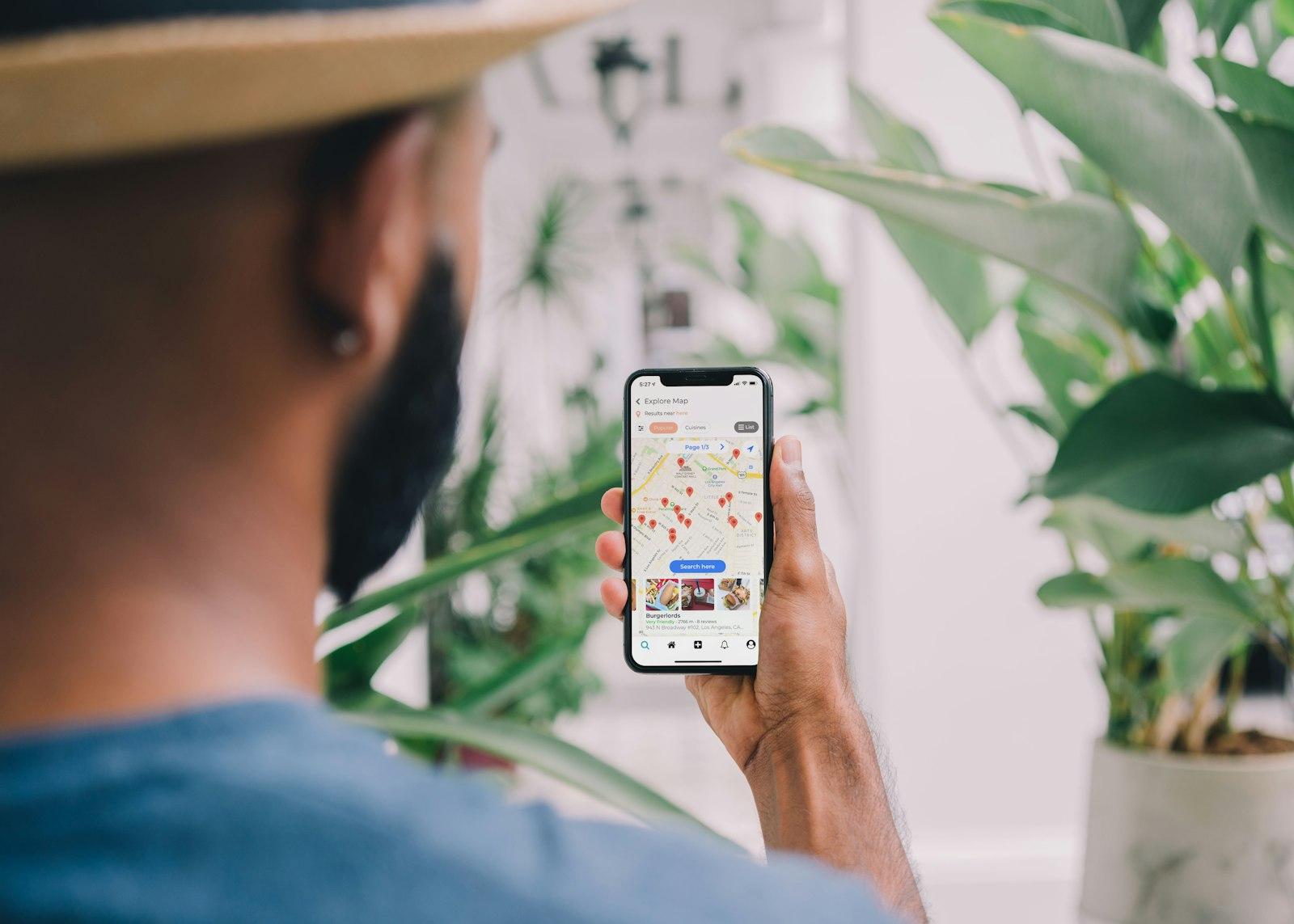
For searches with a local intent, Google shows a map with a few venues above the normal results, the so-called Local Pack. According to Google, three factors decide who appears there: relevance, meaning how well your profile and website match the search; distance from the searcher or the place named; and prominence, which comes from links, mentions on the web and reviews, among other things. You cannot pay for a better position.
The foundation is a complete Google Business Profile. Your website adds the content Google needs for relevance: what you offer, for whom and at what times. You can test how your page looks in the search results with the Google preview.
Consistent details: name, address, phone
Search engines compare your details across many sources. If name, address and phone number, known in the trade as NAP, match everywhere, that counts as a sign of reliable data. Typical mistakes are old phone numbers after a change, different spellings of the name, or an address written as “Hauptplatz 3” in one place and “Hauptpl. 3/1” in another. The opening hours should be the same everywhere too.
| Where to check? | What to align? |
|---|---|
| Your own website (footer, contact, legal notice) | Name, address, phone, opening hours |
| Google Business Profile | Everything, plus category, links and special hours |
| Apple Maps (Apple Business) | Name, address, phone, opening hours, category |
| Tripadvisor, restaurant guides | Name, address, phone, website link |
| Reservation and delivery platforms | Name, address, opening hours, menu |
| Facebook, Instagram | Address, phone, link to the website |
| City and tourism portals | Name, address, website link |
Dedicated pages for your type of venue and offers
A website with only one page can only be relevant for a few search terms. Dedicated subpages for important offers help Google show your venue for matching searches. A restaurant can have its own pages for the lunch menu, parties and catering, a café for breakfast and cakes to order, a Wirtshaus (traditional inn) for its function room and weddings, a club for events, a hotel for rooms, restaurant and seminars.
- One page per topic: breakfast, lunch menu, parties, catering, events, rooms.
- Location in the text: mention the city, district or neighbourhood naturally, for example “in the 7th district” or “in the old town”.
- Page title and description for each page with offer and location, for example “Breakfast in Graz-Lend”.
- No duplicate pages: not ten almost identical pages for ten neighbouring towns, that looks like spam.
The content every hospitality website needs is covered in the guide Restaurant website: the 13 things your guests look for. Examples for different types of venue are in our example websites.
The menu as text
Many searches name a dish or a diet: “schnitzel”, “ramen”, “vegan”, “gluten-free”, “brunch”. For Google to connect your venue with these terms, they have to be on your website as text. A menu as a PDF or photo is barely usable for that. A text menu with descriptions, on the other hand, is one of the most effective SEO measures for hospitality. How to build one is explained in the guide to the digital menu.
Structured data: Restaurant and Hotel
Structured data describes your venue in a machine-readable way in the background of the page, using the schema.org vocabulary. For hospitality there are specific types such as Restaurant, CafeOrCoffeeShop, BarOrPub or Bakery, and for accommodation Hotel or BedAndBreakfast. For local businesses, Google requires at least a name and address and recommends, among other things, coordinates, opening hours, phone number, website, price range, the cuisine (servesCuisine) and a link to the menu.
| Property | Example | What it is for |
|---|---|---|
| name, address | Name and address as in the Google profile | Required by Google |
| geo | Latitude and longitude | Exact position on the map |
| openingHoursSpecification | Opening hours per weekday | Live status in search engines and assistants |
| servesCuisine | Austrian, Italian, vegan | Relevance for cuisine searches |
| menu or hasMenu | Link to the menu or a structured menu | Dishes and prices |
| priceRange | Price level | Orientation for guests |
| telephone, url | Phone with area code, website | Direct contact |
Local links and mentions
According to Google, links from other websites to yours count towards prominence. For venues, it is not just any links that are valuable, but those from the local and culinary scene. Many of them come from good work, some you can actively encourage.
- Restaurant guides and food media such as Falstaff, Gault&Millau or regional guides: inclusion cannot be bought, but a complete listing with a website link is worth it.
- City and municipal portals: hospitality directories, event calendars, weekly markets.
- Tourism boards and tourist offices: a listing on the region's website, especially for hotels, mountain huts, Heurige and day-trip venues.
- Local press and blogs: opening, a new concept, special events, an anniversary.
- Partners: winemakers, breweries, coffee roasters, bakeries, wedding venues, event agencies.
- Clubs and events: sponsoring or catering with a mention on their website.
Google Maps, Apple Maps and OpenStreetMap
Google Maps is the most important map service, but not the only one. On iPhones, many guests open Apple Maps, for example through Siri or the search function. With the free Apple Business platform (formerly Apple Business Connect) you maintain your listing there: photos, opening hours, category and actions such as booking or ordering. OpenStreetMap is a free world map on which many apps, navigation devices and websites are built. Anyone can add to its entries, for example opening hours, website, cuisine and wheelchair access.
Google Maps
Claim the profile, fill it in completely, maintain special hours.
Apple Maps
Take over the listing through Apple Business and fill it with the same details.
OpenStreetMap
Check whether your venue is listed correctly and add missing details.
Tripadvisor and platforms
Take over the listings and align them with your website and Google profile.
Reviews as a signal
According to Google, the number and rating of reviews are part of a business's prominence. Many guests also filter by stars. What matters is a steady flow of new, genuine reviews, not a one-off campaign. Reply to every review: it shows future guests that feedback matters to you. How to ask for reviews fairly and deal with criticism is covered in the guide to Google reviews; you can create a QR code to the review form with the review QR code.
How to get it right
- Ask all guests equally for an honest review
- Reply to positive and negative reviews
- Show reviews on the website, with their source
- Use criticism as an opportunity for real improvements
Better not
- Buy reviews or collect them in exchange for discounts
- Have staff or family write reviews
- Selectively approach only happy guests
- Ignore bad reviews
Tourists, loading speed and AI assistants
Multilingual pages: guests from abroad search in their own language, for example “restaurant near Stephansdom” or “ristorante Bolzano”. An English version of the home page, menu and directions, with its own address per language and proper language tags, makes your venue findable for these searches. Depending on the region, further languages pay off, such as Italian, Czech or Dutch.
Loading speed on phones: Google measures user experience with the Core Web Vitals. According to Google, good values are: the largest content is visible within 2.5 seconds (LCP), the page responds to input in under 200 milliseconds (INP) and the layout barely shifts (CLS below 0.1). Large uncompressed photos, PDF menus, embedded Instagram feeds and many external scripts are the most common brakes.
AI assistants: more and more guests ask ChatGPT, Gemini or other assistants for recommendations such as “Where can I get good vegetarian food in Linz?”. These systems rely on websites, profiles, reviews and mentions on the web. Clear texts, a menu as text, structured data and consistent details help your venue be described and recommended correctly. How your venue might look in a chatbot's answer and what you can do to be mentioned more often is shown by the AI preview.
How does an AI recommend your venue?
The AI preview shows how your venue might appear in ChatGPT, Gemini and others, with tips on how to be recommended more often.
Local SEO checklist
- Google Business Profile complete, primary category precise
- Name, address, phone and opening hours identical everywhere
- Dedicated pages for important offers, with the location in the text
- Menu as text with descriptions
- Structured data for restaurant, café, bar or hotel
- Listings in restaurant guides, city and tourism portals
- Apple Business and OpenStreetMap checked
- New reviews regularly, each one answered
- English version of the key pages
- Good Core Web Vitals on phones
See how your venue looks in Google Search
Test the page title and description of your website in the Google preview before you publish them.