Key points at a glance
- English pays off for almost every venue. Choose further languages by your actual guests, not by gut feeling.
- Every language needs its own address (for example /en/); Google advises against automatic redirects based on language or location.
- hreflang tells search engines which pages are translations of each other. Every version points to all the others and to itself.
- Machine translation is a good draft but never the final result: have dish names, prices and allergens checked by a person.
- The allergen information must be available in German. Translated menus add to it and must contain the same details.
This post is general information and does not replace legal or tax advice. Rules change and some differ between federal states: check the details with your chamber of commerce (WKO) or IHK, the competent authority or your tax adviser.
Why a second language pays off
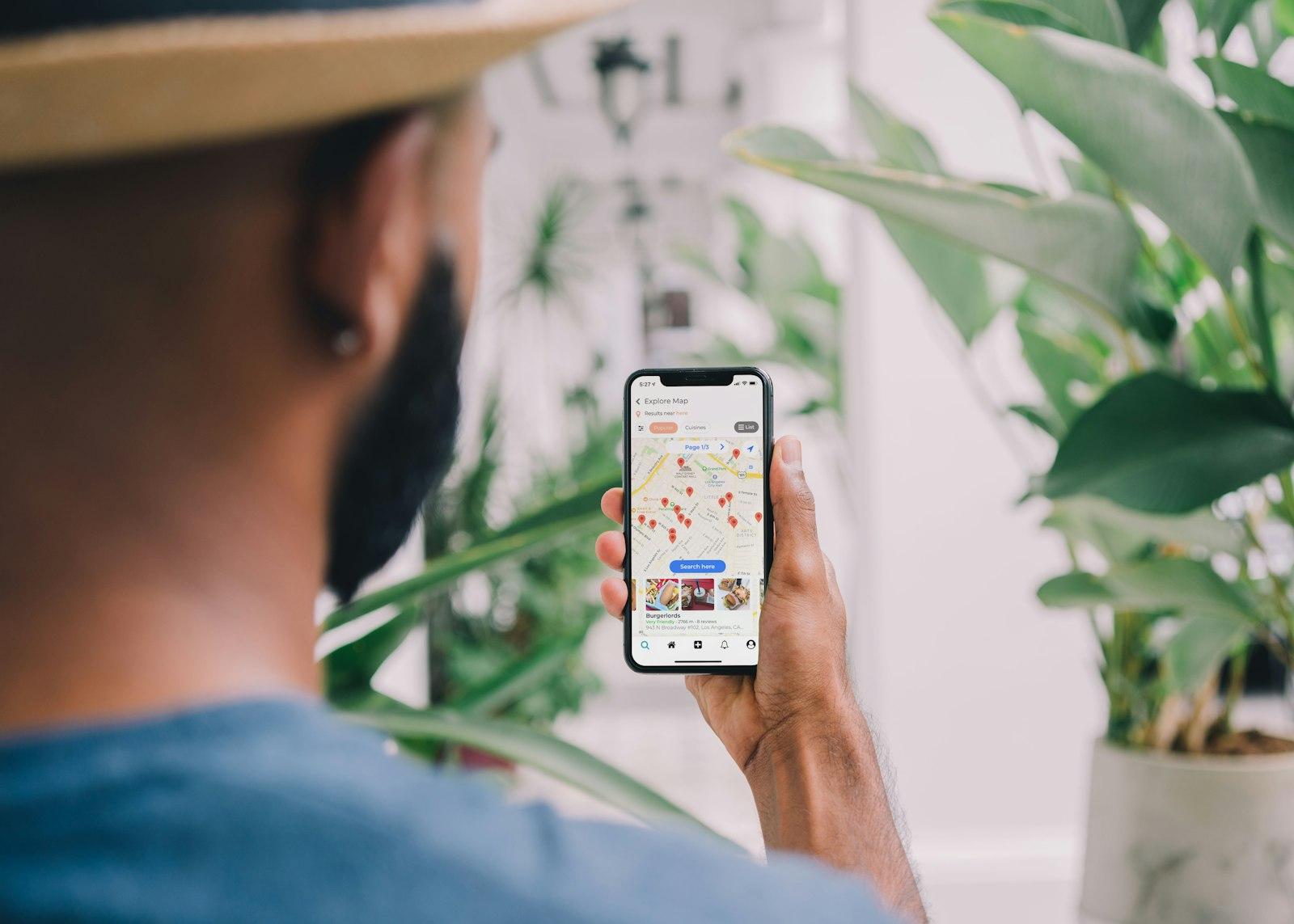
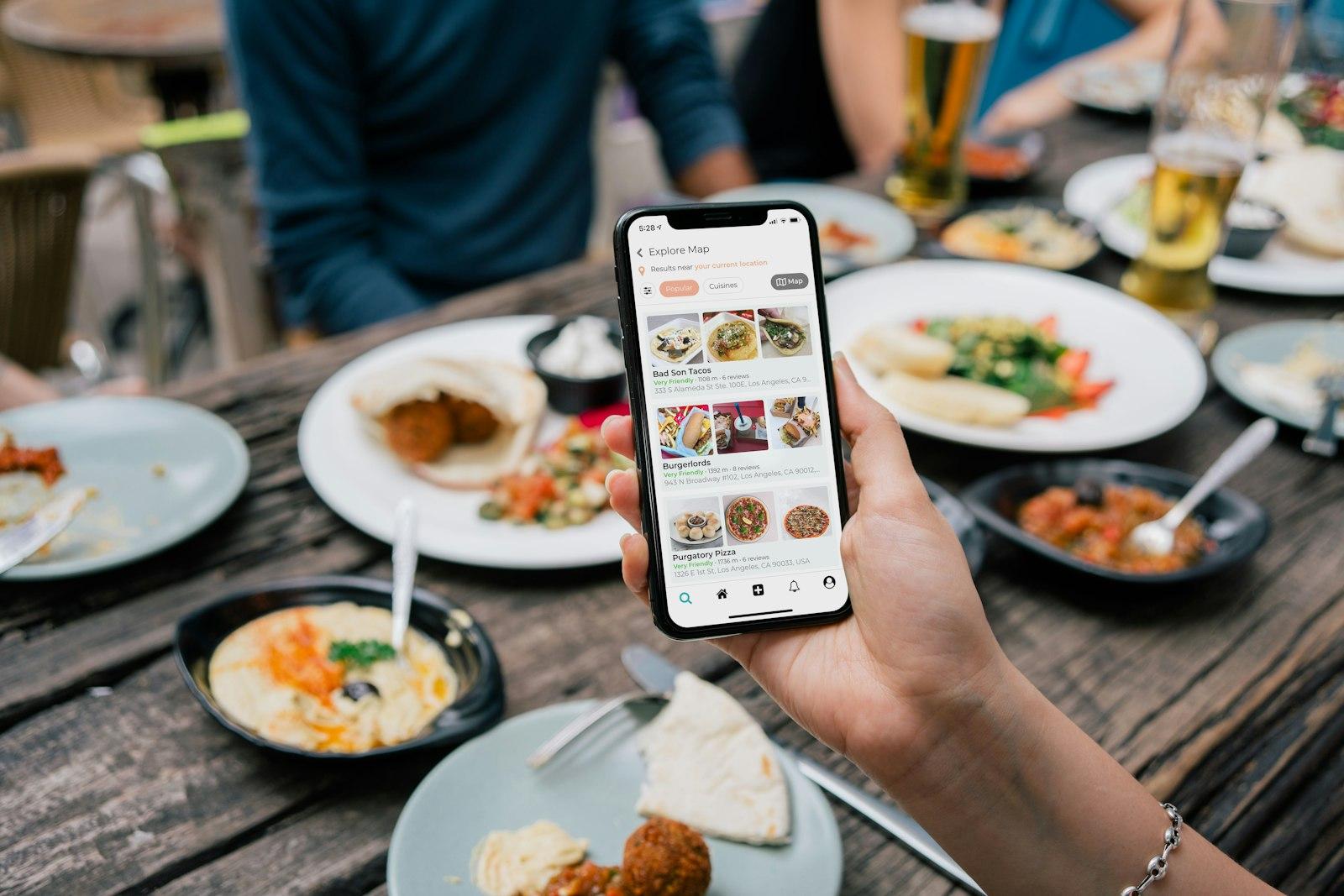
Guests from abroad usually decide on the spot, on their phone and on the move. They search in their own language and are more likely to click a result they understand straight away. A German-only website is harder for them to find and harder to read. Browsers do offer automatic translation, but it does not work on menus uploaded as a PDF or photo, and it happily turns “Tafelspitz” or “Obatzda” into something nobody understands.
- More visibility: an English page can appear for searches like “restaurant near Stephansdom” or “breakfast Lake Constance”; a German-only page hardly ever does.
- Fewer questions: opening hours, bookings, dogs, card payment and directions are answered by the website, not by the phone during service.
- More trust: guests who understand the menu in advance arrive with clear expectations and order more relaxed.
- Better reviews: guests who knew what to expect are less often disappointed.
Which content belongs on a restaurant website in the first place is covered in the guide Restaurant website: the 13 things your guests look for. This guide is about making that content understandable and findable for guests from abroad.
Which languages? Let your guests decide
English is the language almost every international guest can at least read, so it belongs everywhere. Every additional language means upkeep: with every new menu, every rest day and every price change it has to be updated too. So rather choose two languages that are well maintained than five that are out of date after six months.
Watch your own guests
Ask your service team which languages they hear most often, and look at bookings, reviews and the number plates in the car park.
Use regional figures
Tourist boards, city marketing or regional statistics offices publish which countries overnight guests come from. Hotels see it directly in their bookings.
Check your website statistics
Your web analytics and Google Search Console show which countries and languages visitors already come from today.
Start small
First English for the most important pages, then another language once it is really in demand and someone can maintain it.
| Location | Often worthwhile |
|---|---|
| Big city, old town, sights | English, depending on the city Italian, Spanish or French |
| Ski resorts and mountain regions | English, Dutch, depending on the region Czech or Polish |
| Border regions | The language of the neighbouring countries, such as Italian, Czech, Hungarian, Slovenian or French |
| Lakes, coast, cycle routes | English, Dutch, Danish |
| Trade fair and conference cities, near airports | English, further languages depending on the main trade fairs |
| Neighbourhoods with a large community | The language of the neighbourhood, for example Turkish, Croatian, Polish or Russian |
What do extra languages cost?
In the cost calculator you choose a package and languages and see right away what your website costs one-off and per month.
A separate address per language
Google recommends publishing each language version under its own URL rather than switching the language with a cookie or the browser settings. The reason: Google's crawler usually comes from the USA and sends no language preference. Content that only appears through a cookie or automatic detection may never be seen. With separate addresses, every language version can be found, linked to and shared.
| Structure | Example | Verdict for venues |
|---|---|---|
| Subdirectory | your-venue.at/en/menu | Recommended: one domain, easy upkeep, all languages benefit from the same links |
| Subdomain | en.your-venue.de | Possible, but usually more effort than a single venue needs |
| Separate domain per country | your-venue.it | Only for businesses that target one country, such as a hotel with many regulars from Italy |
| URL parameter | your-venue.at/?lang=en | Works, but is less clear and more error-prone |
| Cookie or automatic detection only | Same address for all languages | Not recommended: search engines do not reliably find the translation |
How to get it right
- Offer a visible language switcher on every page, easy to reach on a phone
- Label languages with their own name: English, Italiano, Čeština
- When switching, go to the same page in the other language, not to the home page
- Translate page titles and descriptions for every language
Better not
- Automatically redirect guests based on location or browser language
- Use flags as the only symbol for languages: English is not just the UK
- Half-translated pages with German and English mixed up
- Leave the menu in German only while the rest is translated
hreflang made simple
hreflang is an invisible note in your website's code. It tells search engines: this page also exists in English, at that address. Google can then show guests from abroad the right language version instead of the German one. The note can sit in the head of each page, in the HTTP header or in the sitemap. One method is enough.
- Point both ways: the German menu names the English one, the English one names the German one. Without the return link, Google may ignore the annotation.
- Point to itself: every version also names itself. The list is identical on all language versions.
- Correct codes: language per ISO 639-1, such as “de” or “en”, optionally with a country, such as “de-AT” or “de-DE”. A country code on its own is invalid.
- x-default: a fallback page for all other languages, usually the English version or a language selector.
- Full addresses: always with https:// and the domain, not just “/en/”.
By the way, Google detects the language of a page itself, from the text and not from hreflang. An English page title above German text therefore does not help. You can check how the title and description of each language version look in search results with the Google snippet preview. How multilingual pages work together with the other ranking factors is explained in the guide Local SEO for hospitality.
Check machine translations
Translation services and AI tools now deliver usable drafts in seconds. For opening hours, directions and general text that is often nearly enough. On menus, though, typical mistakes creep in: regional dishes are translated literally, quantities and cooking methods get mixed up, allergens are dropped. Google itself treats automatically translated content produced at scale without added value as spam. So have every translation checked by a person who knows the language well.
| On the menu | Literal translation | Better |
|---|---|---|
| Kaiserschmarrn | Emperor's mess | Kaiserschmarrn: fluffy shredded pancake with powdered sugar and plum compote |
| Tafelspitz | Table tip | Tafelspitz: boiled beef with horseradish, apple sauce and chive sauce |
| Obatzda | (unchanged, meaningless) | Obatzda: Bavarian cheese spread with butter, paprika and onions |
| Germknödel | Yeast dumpling | Germknödel: steamed yeast dumpling with plum jam, poppy seeds and butter |
Finish the German menu
First finalise the German menu with all allergens, prices and notes such as vegetarian or vegan. It is the master copy.
Create a draft
Have it machine-translated, with the instruction to keep regional dish names and describe them briefly.
Have a person check it
Native-speaking staff, friends or a translation agency proofread it. Pay special attention to ingredients, quantities and preparation.
Compare
Check prices, allergen codes and symbols line by line against the German menu.
Agree on upkeep
Decide who updates every language with each menu change, on the same day.
Menu and allergens in translation
The menu is the most visited page on almost every restaurant website and the main reason tourists open it at all. So it belongs in every language as text, not as a PDF. How a good online menu is built is explained in the guide to the digital menu.
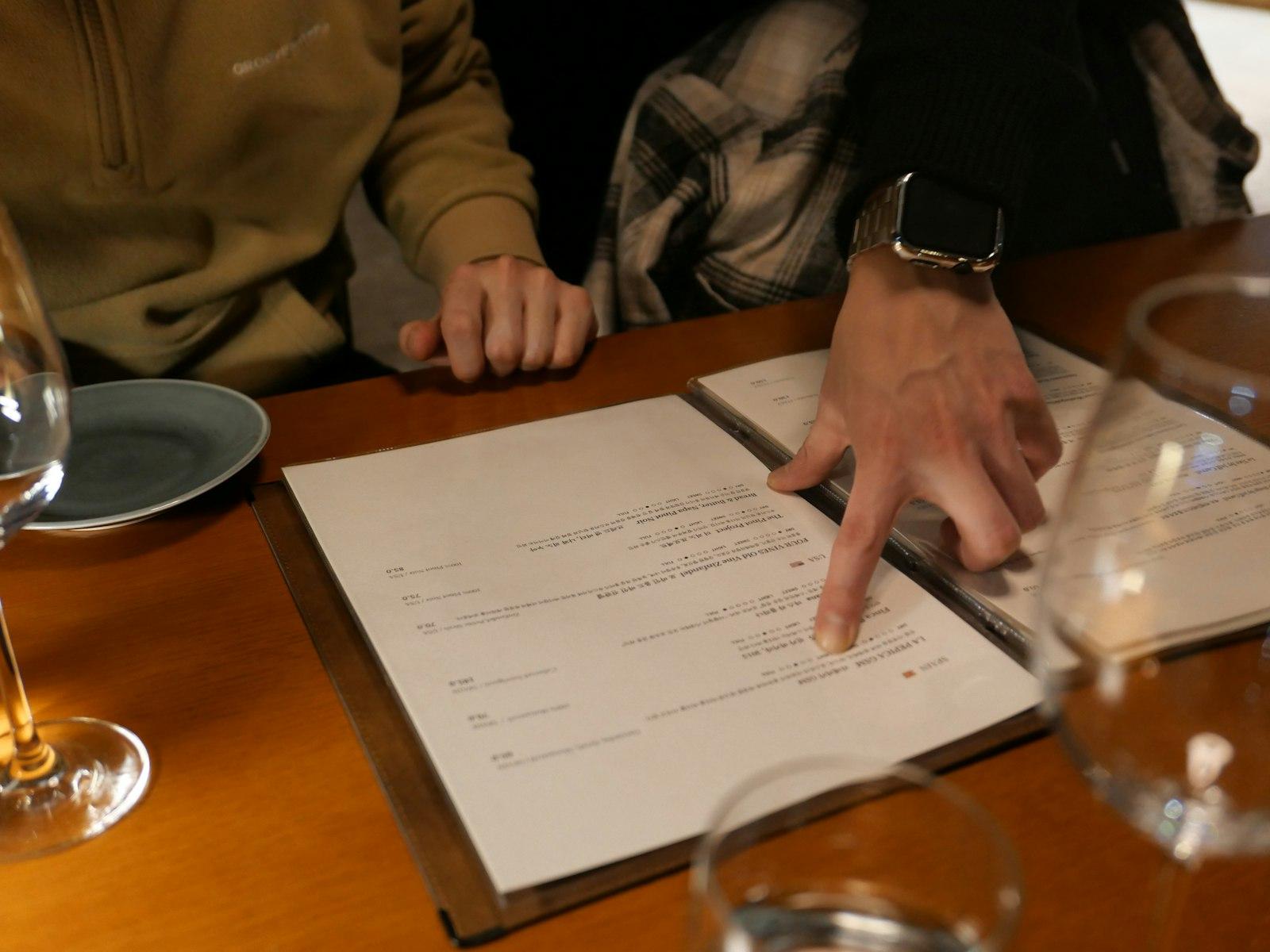
With allergens it is not just about convenience. Under the EU Food Information Regulation (EU FIC, in German LMIV), mandatory information must be given in a language easily understood by consumers. In Germany, § 2 of the Lebensmittelinformations-Durchführungsverordnung (LMIDV, the national implementing ordinance) explicitly requires German. In Austria too, the allergen information belongs on the menu or notice in German. Translated menus and legends are a useful addition but do not replace the German information. The details per country are in the guides Allergen labelling in Austria and Allergen labelling in Germany.
A clean legend of the 14 major allergens for your menu and notice board is quick to make with the allergen legend. At tables and the counter, a menu QR code table stand that leads straight to the menu in the phone's language helps, as long as your website links its language versions properly.
Google profile and platforms in several languages
Many tourists see your venue in Google Maps first, not on your website. Standard details such as category, opening hours and attributes (for example “outdoor seating” or “accepts credit cards”) are shown by Google in the user's language. Your own texts, meaning the description and posts, usually appear as you wrote them. Reviews in other languages can be translated by Google for readers.
- Description: there is only one description field with a limited length. Write it in German first and, if there is room, add two sentences in English.
- Website link: link to the home page. Guests from abroad switch via the language switcher or land on the right version straight from search.
- Menu link: the menu as text on your website with language versions is better than an uploaded photo of the German menu.
- Photos: pictures of dishes, the entrance and the dining room work in every language.
- Replies to reviews: reply in the language of the review if you or your team are confident in it. Short and correct beats long and clumsy.
How to set up the profile completely is shown in the guide to the Google Business Profile. For travel platforms and restaurant guides, which are especially popular with international guests, read the guide to Tripadvisor and restaurant guides.
Checklist: multilingual step by step
You do not have to do everything at once. A proven approach is to start with English and the pages guests really need before their visit: home page, menu, opening hours, directions and booking. Then come pages for parties, rooms or events, and finally further languages. For a hotel, rooms, rates and booking belong in from the start.
Multilingual website checklist
- Languages chosen by your own guests and regional figures
- Home page, menu, opening hours, directions and booking in English
- Separate URL per language, for example /en/
- Visible language switcher without automatic redirects
- hreflang with return links and x-default, generated automatically
- Page titles and descriptions translated for every language
- Translations checked by a person, dish names explained
- Allergens available in German and identical in all languages
- Google profile complete, reviews answered in the right language
- Responsibility for menu changes in all languages agreed
Your website in German and English
See for free how your website could look with menu, opening hours and a language switcher.
A free preview of your venue website, designed by us.
Sources
- Google Search Central: Tell Google about localized versions of your page (hreflang)
- Google Search Central: Managing multi-regional and multilingual sites
- Google Search Central: Spam policies for Google web search
- Regulation (EU) No 1169/2011 (EU FIC, EUR-Lex), Art. 15 language requirements
- Lebensmittelinformations-Durchführungsverordnung (LMIDV), § 2