Key points at a glance
- In Austria, according to the Federal Competition Authority, foodora and Lieferando share almost the entire market, Wolt is much smaller. In Germany, Lieferando, Wolt and Uber Eats are the main players.
- According to industry reports, commissions are around 13 to 15 % with your own delivery and around 25 to 30 % with platform couriers, often plus costs for advertising on the platform.
- On platforms, the customer data essentially belongs to the platform. Your own ordering route, by contrast, builds a direct relationship with regulars.
- Pickup is usually the most profitable channel for venues: no courier costs, no delivery commission.
- For online orders, allergens must be available before the order is completed (Art. 14 LMIV), whether on the platform or in your own shop.
This post is general information and does not replace legal or tax advice. Rules change and some differ between federal states: check the details with your chamber of commerce (WKO) or IHK, the competent authority or your tax adviser.
Who delivers in Austria and Germany?
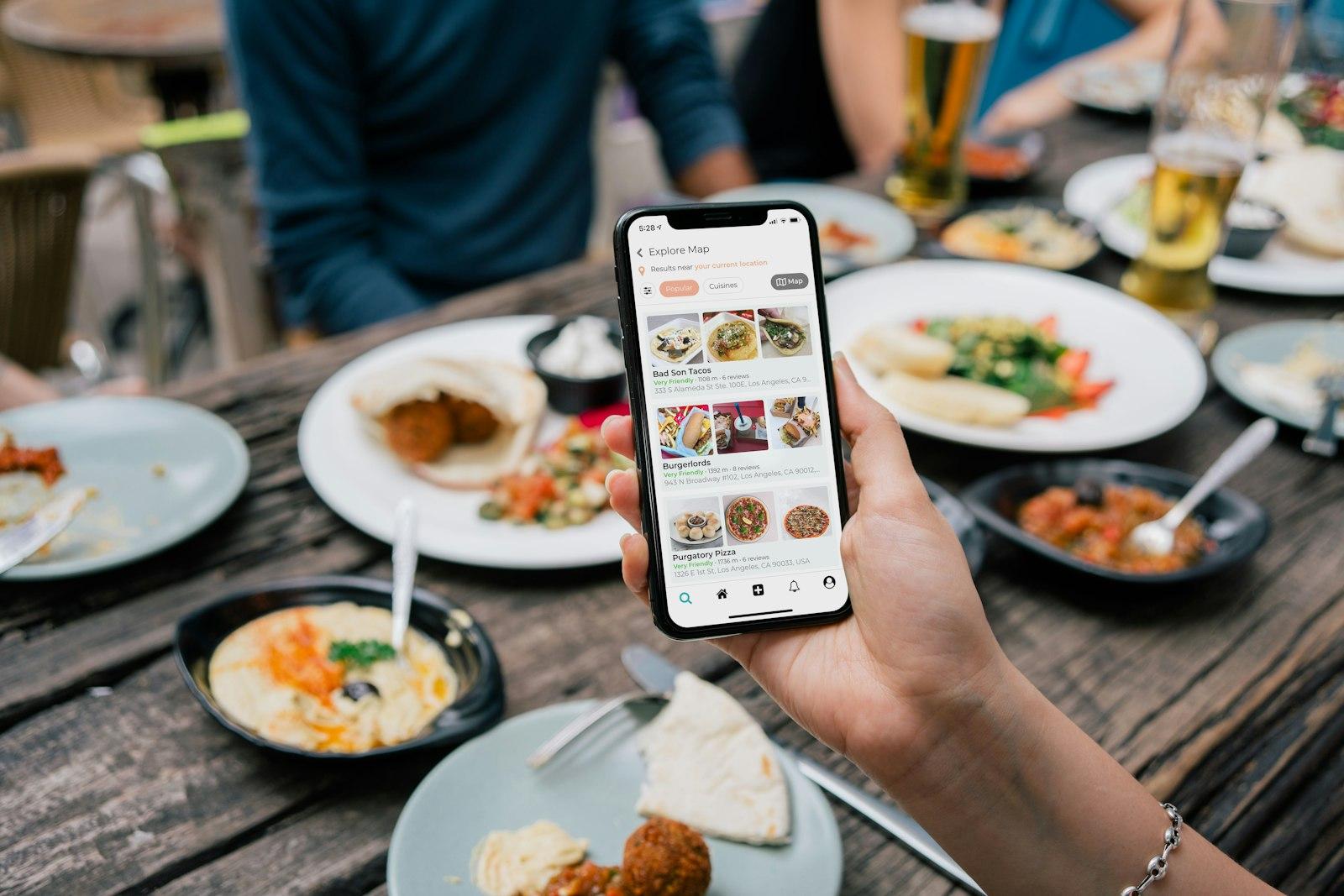
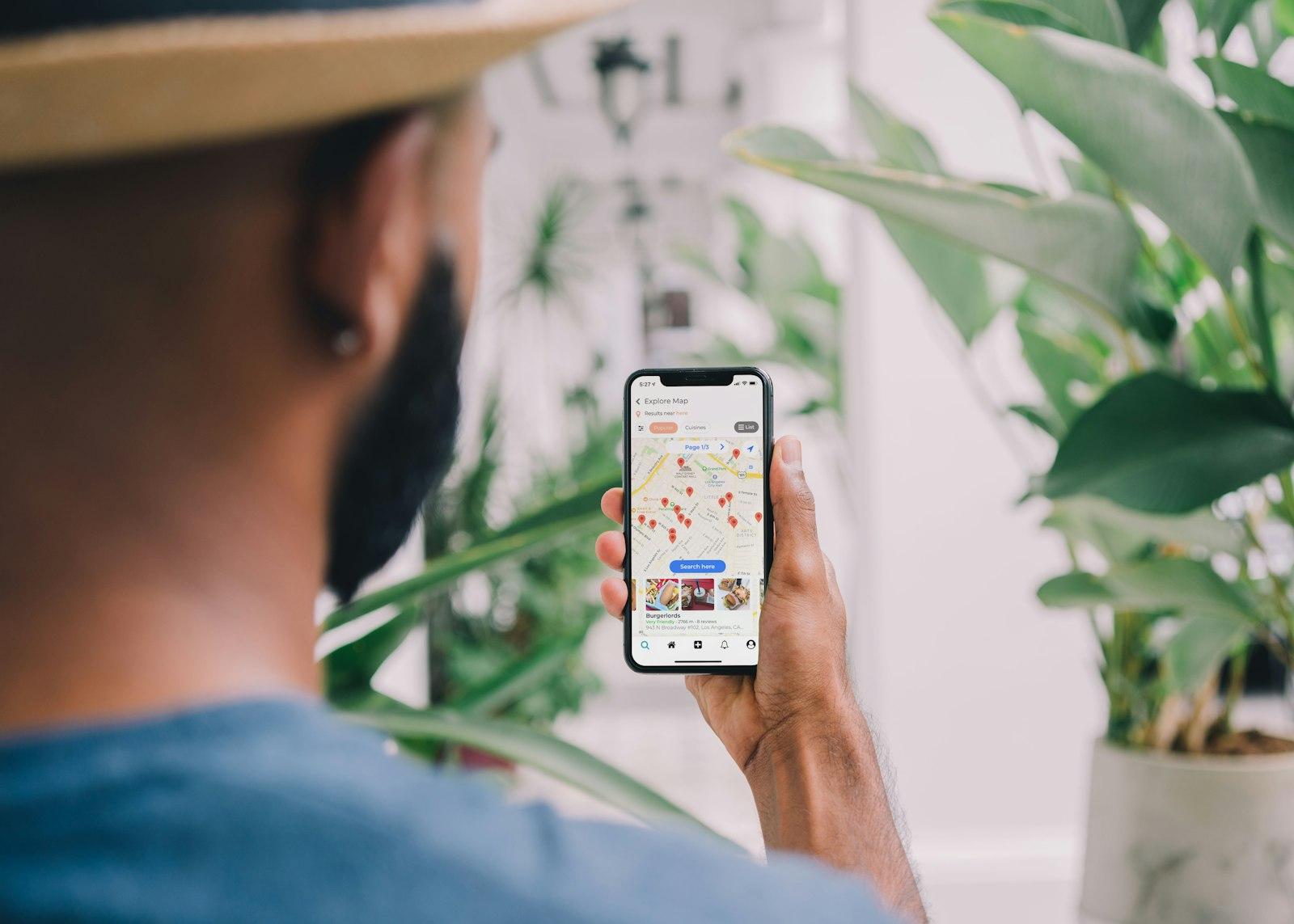
In Austria, the former delivery service Mjam has been called foodora again since May 2023 and belongs to the Delivery Hero group. In 2026 the Bundeswettbewerbsbehörde (BWB, Austria's Federal Competition Authority) published a sector inquiry into online platforms for food delivery. According to it, foodora has a 50 to 60 % market share across Austria, Lieferando 40 to 50 %, and Wolt, active in Vienna since 2023, 0 to 5 %. Roughly speaking, foodora is strong in Vienna and Lieferando in the rest of the country. According to the BWB, Viennese restaurants surveyed made on average 25 to 30 % of their total revenue through platforms in 2023.
In Germany, Lieferando is the largest provider, alongside it mainly Wolt and Uber Eats, with smaller services in some regions. For a restaurant, an Imbiss or a pizzeria in the city, a platform is therefore often the fastest way to delivery customers. For a bakery, a café or a caterer with predictable orders, your own ordering route can matter more.
What platforms cost
The platforms usually do not publish their terms in full and negotiate individually. The following ranges come from industry reports and are only a rough guide. Always calculate with the offer you actually receive and with all additional costs.
| Model | Typical commission | What you cover yourself |
|---|---|---|
| Marketplace only, you deliver yourself | around 13 to 15 % of the order value | Drivers, vehicles, insurance, packaging |
| Platform delivers | around 25 to 30 % of the order value | Packaging, couriers waiting at the pass |
| Pickup through the platform | depends on the contract, often like marketplace only | Packaging |
| Extra costs | Advertising and better placement, payment fees, sometimes setup or a tablet | Depending on the contract |
In its inquiry, the BWB considers high commissions, one-sided terms and the need to buy in-platform advertising to be disadvantageous for restaurants. It has opened investigations on suspicion of abuse of a dominant market position. For you this mainly means: read contracts carefully, especially on exclusivity, penalties and price clauses.
Who owns the guests?
On a platform, guests order from the platform. You see the name and delivery address for the delivery, but the relationship with the guests stays there: the platform sends the newsletters, shows your guests other venues and decides on visibility and ranking. If you rely 100 % on platforms, you do not build your own regular customers, you rent them.
- Platform: reach and new guests, but hardly any direct contact and no guest list of your own.
- Own shop: order data stays with you, with the option of a newsletter (with consent) and offers for regulars.
- Phone and WhatsApp: personal, but time-consuming and error-prone with many orders.
- Google: you can add ordering links in your Business Profile. For food orders, according to its help pages, Google shows your own website first if there is one, or your preferred provider.
Pickup, your own delivery or platform couriers
Pickup is the most profitable route for most venues: there are no courier costs, guests come into the venue, see the daily specials and often buy a drink or a dessert as well. This works especially well for the lunch trade, pizza, döner, bowls or bakeries. A clear pickup time and a separate pickup area prevent crowding at the till.
Your own delivery saves the high delivery commission but means staff, vehicles, insurance and planning. Employment questions such as contracts, working hours and the collective agreement are best clarified with the Wirtschaftskammer (Austrian Economic Chamber) or the IHK (German Chamber of Commerce). Platform couriers are the most convenient but the most expensive option; also, you do not decide on delivery times and delivery area. Many businesses do well delivering to nearby addresses themselves and further ones through the platform.
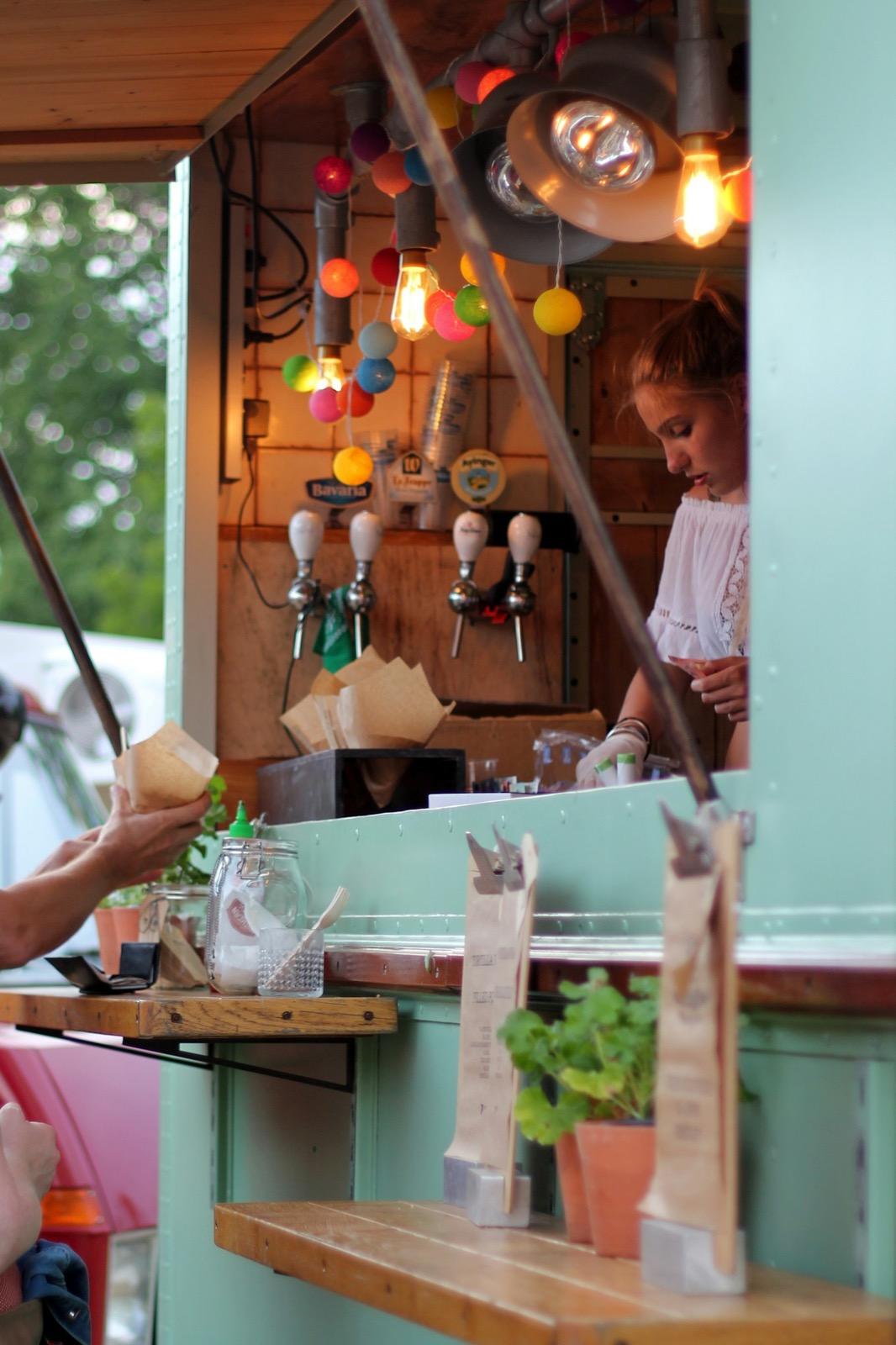
Your own online ordering: the options
Your own ordering route does not have to be a big IT project. Depending on order volume, a simple solution is enough, or a proper shop with online payment and a link to your till system is worth it.
| Solution | Suitable for | Keep in mind |
|---|---|---|
| Phone and menu on the website | Few orders, regulars | Staff on the phone, errors in notes |
| Order form or WhatsApp | Catering, pre-orders, cakes | Manual confirmation, no online payment |
| Ordering system from a till or shop provider | Regular pickup and delivery orders | Monthly fee, payment fees, data protection, accessibility |
| Own shop connected to the till | High volume, several locations | Higher one-off costs, but full control |
If you conclude contracts with consumers online in your own shop, you have had to comply with the accessibility laws since June 2025, unless you are a micro-enterprise. Details are in the guides for Austria and Germany. What your own shop costs compared with the website is covered in the post What does a restaurant website cost?.
The menu on the platform and the website
Guests compare. If the platform shows different dishes, prices or descriptions from your website and the venue, it causes confusion and complaints. So maintain your menu in one place and transfer changes everywhere on the same day. Use the photos you have taken for the platform on your website and in your Google profile too.
How to get it right
- The same dishes, descriptions and allergens on every channel
- Show clearly on the website how to order directly or pick up
- A flyer in the delivery bag pointing to your website and pickup
- Your own photos instead of platform placeholders
Better not
- Link only to the platform on the website, without your own ordering route
- Offer dishes on the platform that the venue stopped serving long ago
- Lower prices on your own channels without checking the platform contract
- Maintain allergens only in the venue, not on the platform
How a good online menu is structured is explained in the guide to the digital menu. With the menu QR code you can print a code on flyers or table stands that leads straight to your own menu.
Allergens and mandatory information in distance selling
If you sell food through a website, an app or a platform, you are offering it by distance selling. Under Art. 14 LMIV (the EU Food Information Regulation), the mandatory information must then be available before the purchase is completed and be provided on delivery. For non-prepacked food, meaning the typical dish from the kitchen, Art. 14 Abs. 2 LMIV refers to the allergen information under Art. 44. For electronic offers in Germany, § 4 LMIDV requires the information to be directly and easily accessible.
Even if the platform takes care of the display technically: as the venue, you remain responsible for correct information. So check regularly whether recipe changes have also reached the platform. The national details on labelling are in the guides to allergen labelling for Austria and Germany. You can create a consistent legend with the allergen labelling tool.
The combined strategy
For most businesses, the question is not “platform or own shop” but how to combine both cleverly. Platforms bring new guests, your own ordering route turns them into regulars. Here is how to go about it:
Know your numbers
How much revenue comes through which platform, and what is left after commission, advertising and packaging? Enter the commission as a variable cost in the free break-even calculator to see how much revenue you need.
Offer your own ordering route
At least pickup with pre-ordering through the website, the phone or a simple ordering system.
Redirect guests
A flyer in the bag, a note on the receipt, a QR code at the counter, an ordering link in your Google profile.
Check the contract
Know the exclusivity, best-price clause, notice periods and penalties before any promotion.
Keep channels in sync
Maintain menu, prices, allergens and opening hours the same everywhere.
Recalculate regularly
Every few months, check whether the balance between the platform and your own channel is shifting.
For guests to find your own ordering route, your venue has to be clearly visible on Google. How that works is explained in the guide to local SEO for hospitality.
Your website with its own order button
We design your website with a menu and an order or pickup button and connect your ordering system. The preview is free.
A free preview of your venue website, designed by us.
Sources
- BWB: sector inquiry into online platforms for food delivery (final report, 2026)
- EUR-Lex: Regulation (EU) No 1169/2011 (LMIV), Art. 14 and Art. 44
- Gesetze im Internet: § 4 LMIDV (non-prepacked food)
- Google Reserve Help: ranking of providers for local business links
- SumUp: Delivery on Uber Eats and Lieferando (10/2024)