Key points at a glance
- Local media cover news, not advertising: an opening, a new concept, an anniversary, an award, community involvement.
- A press release answers the five Ws in its first sentences, includes a quote, facts and a contact, and fits on one page.
- A press page on your website with a short profile, print-quality photos, logo and contact person saves journalists time.
- Personal contact with the local newsroom works better than mass mailings. Editorial coverage can't be bought, and critics can't be swayed.
- Online articles linking to your website are valuable local backlinks, but only when they are genuinely earned.
This post is general information and does not replace legal or tax advice. Rules change and some differ between federal states: check the details with your chamber of commerce (WKO) or IHK, the competent authority or your tax adviser.
Why local media are worth it
Regional newspapers, free local and district papers, community newsletters, local radio, city magazines and regional news sites reach exactly the people who can actually visit your venue. Editorial coverage has an advantage no ad can offer: it is credible, because someone else is writing about you. Many readers cut out the article, share it on social media or tell their friends about it.
Then there is the effect online. If the article is published on the web with a link to your website, it is a mention from the local community that Google sees as a sign of prominence. How this ties in with rankings is explained in the guide to local SEO. So PR is not an end in itself but a building block that boosts reach, trust and findability at the same time.
Good news hooks: what counts as news?
The most important question before any PR is: why would this interest someone who doesn't know your venue yet? “We serve great schnitzel” is not news. A new restaurant in a building that stood empty for years, the first vegan lunch menu in town or an inn that has been run by the same family for 100 years certainly is.
| News hook | Why it is interesting | When to announce |
|---|---|---|
| Opening or reopening | Something new in town, an empty building brought back to life, new jobs | 2 to 4 weeks before, plus on opening day |
| Takeover or next generation | History, tradition, the faces behind the venue | As soon as it is final, before the reopening |
| New concept, new cuisine, renovation | Change for regulars and the neighbourhood | Shortly before the launch |
| Anniversary | Local history, people, anecdotes | A few weeks before the anniversary party |
| Award or listing in a restaurant guide | Outside recognition, regional pride | Right after the announcement |
| Regional suppliers, sustainability | Links to local farmers, winemakers and craftspeople | At the start of a season, e.g. asparagus or game |
| Charity, local clubs, community work | Community spirit, a good cause, photos with lots of people | Before the event and with the result afterwards |
| Special events | Reading, concert, tasting, cooking class | About 2 to 3 weeks before, earlier for event calendars |
For recurring events, the event calendar is usually the right place, not the editorial section. How to promote events across all channels is covered in the guide to promoting events online.
Writing a press release
A press release is a short, factual text that a newsroom can ideally run with only a few changes. It is not a brochure: no superlatives, no exclamation marks, no discount codes. Write the way a newspaper would write about you, in the third person.
Headline
One line that sums up the news, for example “Old inn on the market square reopens as a bistro with regional cuisine”.
Opening with the five Ws
The first paragraph covers who, what, when, where and why. If the editor cuts from the bottom, the essentials remain.
Background
Who is behind it, what makes it special, how many seats, which opening hours, how many jobs.
Quote
One or two sentences from you in direct speech, personal and concrete instead of “We are very excited”.
Facts and dates
Address, opening date, opening hours, website. For a media invitation: date, time and schedule.
Contact and photos
Name, phone and email of a contact person who is actually reachable, plus the link to print-quality photos.
Paid distribution services such as APA-OTS in Austria or news aktuell in Germany rarely pay off for a single venue. You reach local newsrooms better directly and personally.
A press page on your website
When a journalist needs a photo of your venue at 5 pm, just before deadline, a press page on your website helps her more than any email. A simple “Press” subpage linked in the footer is enough. It is one of the extras recommended in the guide Restaurant website: the content your guests look for, especially before an opening.
What belongs on the press page
- A short profile in three to five sentences: concept, cuisine, location, since when
- A longer story of the venue and the people behind it
- Print-quality photos: exterior, dining room, team, two or three dishes, in portrait and landscape
- Logo as a vector file and as a PNG with a transparent background
- Key facts at a glance: address, opening hours, seats, year opened, website
- Current and past press releases
- Media contact with phone and email
- Terms for using the photos and the names of the photographers
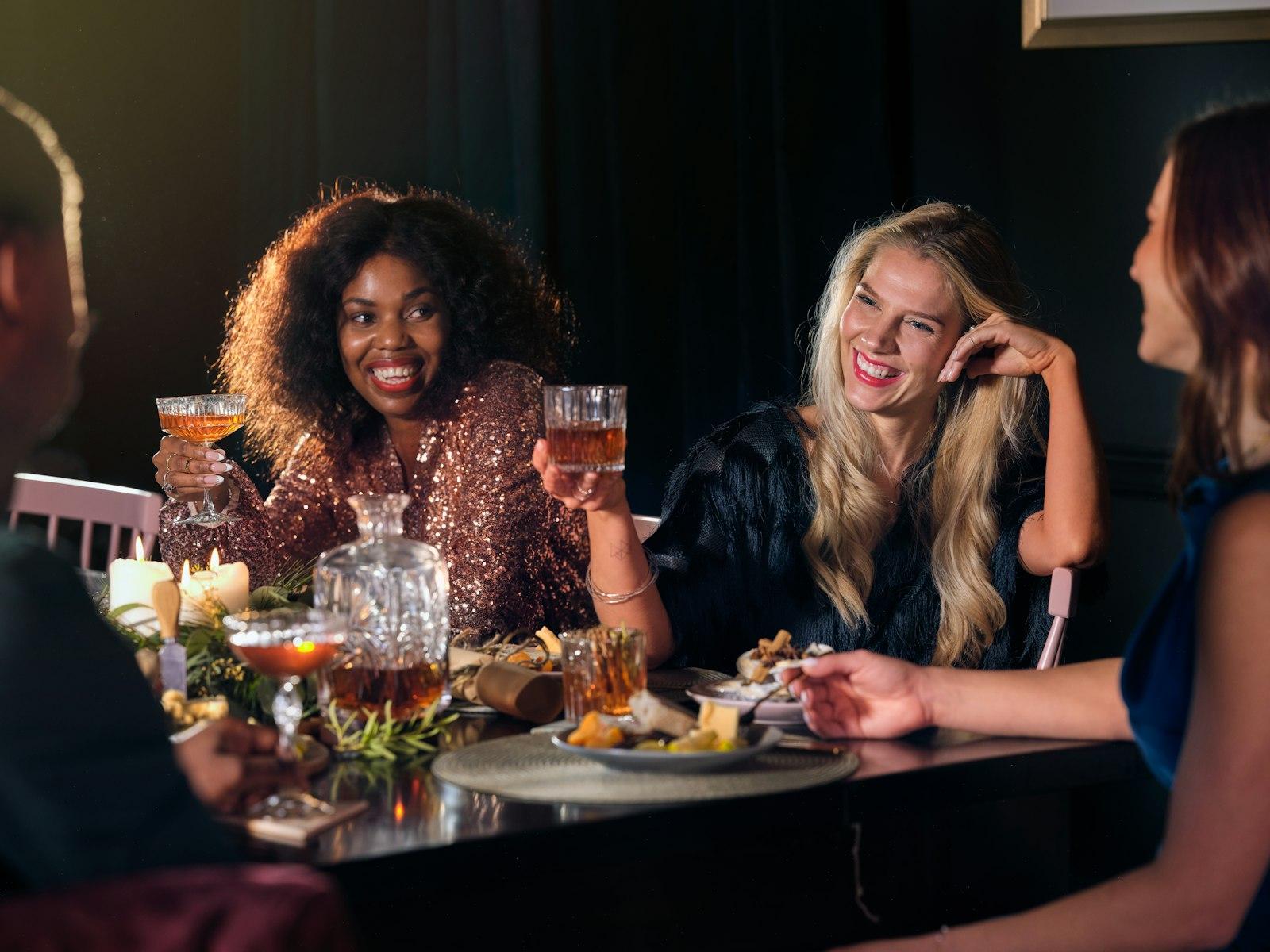
Sort out image rights in advance: if a photographer took your pictures, agree in writing that you may pass them on to the media, and credit the photographer. If you want to take photos yourself, see the guide to food photography with a smartphone.
A website that convinces journalists too
See in the free preview how your venue can look online with menu, photos and contact details.
A free preview of your venue website, designed by us.
Building contacts with local journalists
In local media, personal contact is what counts. Find out who writes about food and drink, local business or leisure at the regional paper, the district or community paper and local radio. Their names are often under the articles, the contact details in the masthead or on the newsroom's website. Keep a short list: hardly any venue needs more than ten addresses.
Read before you write
Which sections are there, which venues were covered recently, who writes about what?
Introduce yourself briefly
A short, personal email or call: who you are, what is new and why it might interest their readers.
Invite them
To a preview before the opening, for a coffee or a tour of the kitchen. Without expecting anything in return.
Be reachable
Answer follow-up questions quickly, even at short notice. Reliable sources get asked again next time.
Say thank you
After an article, send a short thank-you, share the piece and, if it is online, link to it from your website.
How to get it right
- Address each newsroom personally, by name
- Deliver real news, written in a factual tone
- Have photos and facts ready to hand
- Answer critical questions openly as well
- Suggest local stories that go beyond your venue
Better not
- Send the same email to a hundred addresses in CC
- Ask several times a day whether the article is coming
- Demand to approve the text before it is published
- Use ad bookings to put pressure on the newsroom
- Fill the press release with sales talk and superlatives
Food critics and restaurant guides
Restaurant critics from newspapers, food magazines and restaurant guides usually visit anonymously and pay their own bill. So an invitation to a free meal is rarely the way to get a review. What you can do: make yourself known, for example with a short note about your opening to the newsroom, and then cook and serve every evening as if the critic were at the table.
The German Press Council (Deutscher Presserat) requires a clear separation of advertising and editorial content in its Press Code, and the Austrian Press Council (Österreichischer Presserat) states that commercial interests must not influence editorial content. Paid content must be recognisable as advertising; in Austria, § 26 Mediengesetz (Media Act) requires a label such as “Anzeige” (advertisement) or “entgeltliche Einschaltung” (paid insertion). So an article you pay for is not PR but an ad. How to deal with review platforms and restaurant guides is described in the guide to Tripadvisor and restaurant guides. Partnerships with food bloggers and influencers work differently and have their own labelling rules; more on this in the guide to influencer partnerships.
Online mentions as backlinks
Almost every local paper also publishes its articles online. Ask politely whether the online article can link to your website rather than just your Facebook page. Whether it does is up to the newsroom. A link like this from a local medium is a real, earned backlink and one of the most valuable signals for local search.
Beware of shortcuts: Google's spam policies explicitly name bought links and links with optimised anchor text in press releases distributed on other sites. According to Google, paid links should be marked with the “sponsored” attribute, and then they don't help rankings. More sources of genuine links, such as the tourist board, city portal, suppliers or local clubs, are collected in the guide to local backlinks.
| Mention | Value for guests | Value for Google |
|---|---|---|
| Regional paper article with a link to your website | High | High, local and editorial |
| Article without a link, name only | High | Medium, a mention without a link |
| Listing in the city's event calendar | Medium | Medium, a local source |
| Bought article on a link portal | Hardly any | None or harmful |
| Press release on twenty free press portals | Hardly any | None, often treated as spam |
Timeline for your opening
Your opening is the best news hook your venue will ever have. Plan the PR early, alongside your website, Google profile and social media. A “Coming soon” sign in the window sparks curiosity that you can make the most of with the right sequence.
6 to 8 weeks before
Build your media list, put the press page with a short profile and first photos online, publish the website with the opening date.
3 to 4 weeks before
Send the opening press release to local newsrooms and submit the date to the event calendar.
1 to 2 weeks before
Invite media to a preview or soft opening, add photos of the finished venue and the team.
Opening day
Name a media contact, take photos, update social media and your Google profile.
Afterwards
Link the articles on your website, thank the newsrooms, record the results and plan the next news hook.
Business cards for press meetings
Design business cards with your logo, contact details and a QR code to your website and download them ready for print.
Sources
- Google Search Central: Spam policies for Google web search (link spam)
- Google Search Central: Qualify your outbound links (rel="sponsored")
- Deutscher Presserat (German Press Council): Press Code
- Österreichischer Presserat (Austrian Press Council): Code of Ethics
- Mediengesetz (Austrian Media Act), § 26 (labelling of paid publications)